
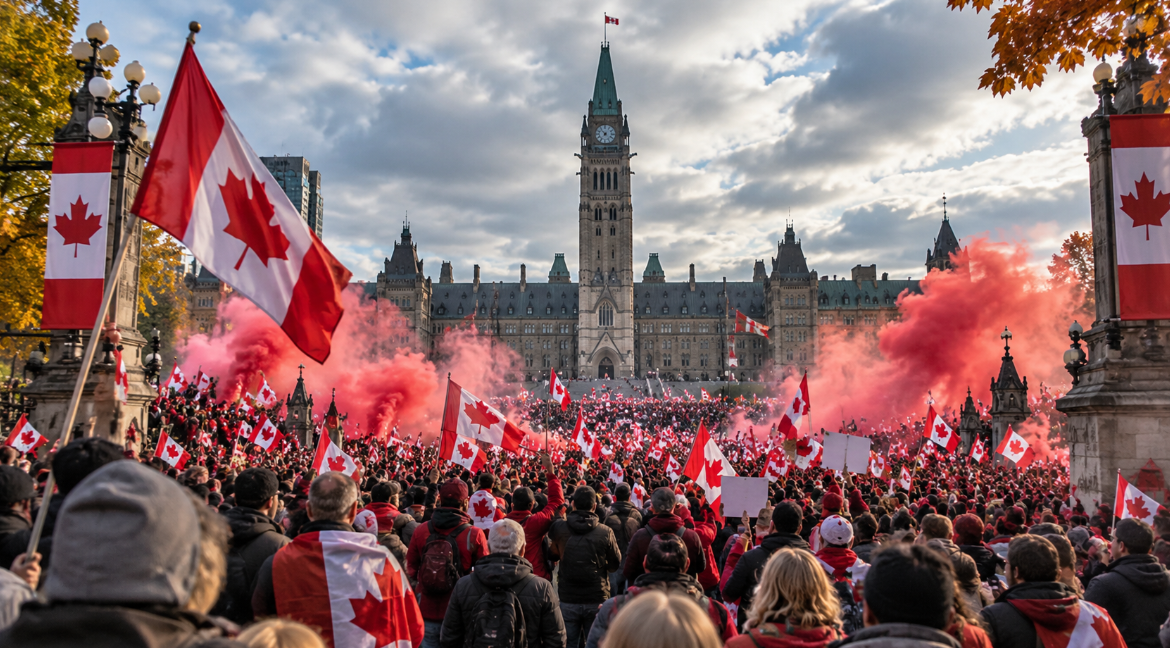
This is an editorial scenario, not a report of a specific incident. Imagine a broadcast about a busy city gathering ending while the quieter practical question remains: how would someone plan to leave a place like that? The question is useful without claiming any particular disruption or off-camera event occurred.
The homeward leg has its own details
A responsible follow-up could explain how to find the destination’s exits, the nearby transport information and a sensible place to regroup. It should distinguish confirmed information from general planning ideas. It should not assign intentions or experiences to the people visible in an illustrative image.
For your own outing, write the return journey before the day gets busy. Decide whether the group is leaving together and when you will recheck the available options. Keep a record of the intended entrance to the station or stop, rather than relying on a broad area name.
Finish the story with a usable question
What would you need to know before the final walk? Perhaps it is the current departure information, an access detail or an agreed meeting time. The journey beyond the broadcast is not necessarily dramatic. Often the most useful editorial work is simply making the overlooked part of an outing easier to plan.
General information and editorial perspectives. For a specific service, venue or arrangement, check with the responsible organization. Send a question or correction.