
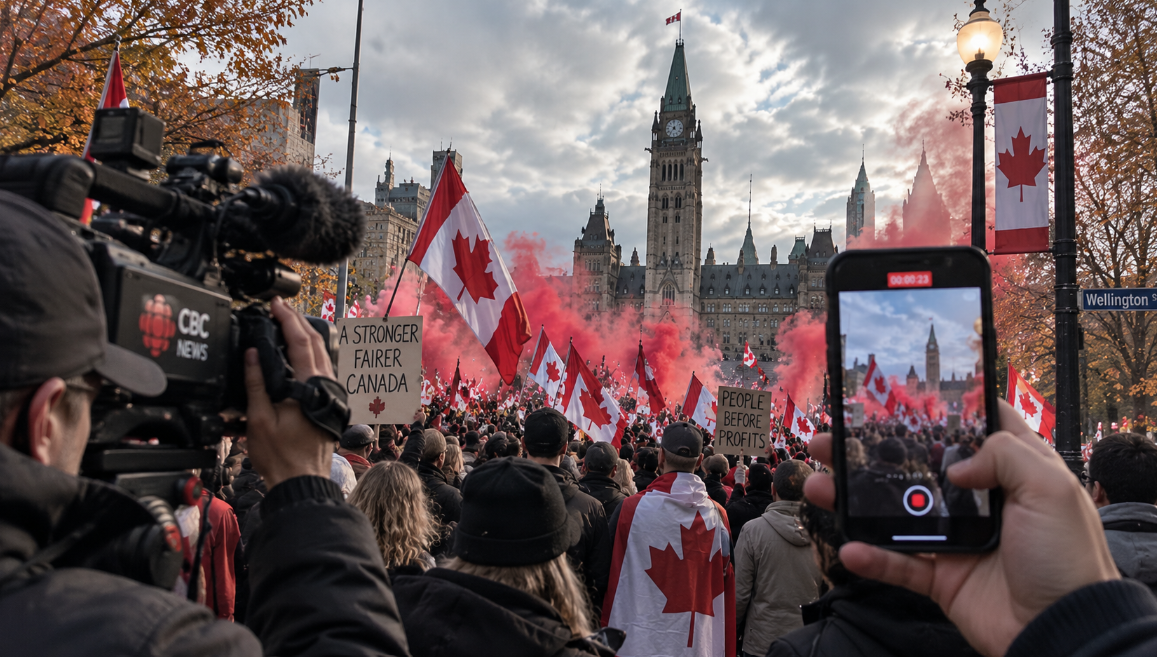
This is an editorial scenario, not a report of a specific incident. Imagine a television segment ending while a separate clip shows people moving away from the public place on screen. An off-air moment might attract attention, but the image alone does not explain where anyone is going or how they intend to travel.
Movement is not a service update
A person walking quickly may have many reasons to do so. A crowd beside a road does not establish a closure, a cancelled service or a changed stop. Those are separate claims that need current evidence from the organisation responsible.
For someone planning a journey through the area, the useful response is to identify the actual route and the information needed. Which entrance is on your plan? Which service would you take? Where would an operator publish a change relevant to that trip?
Use attention as a prompt to check
Return to your journey note rather than building a new itinerary from a dramatic clip. Verify the detail that could affect you and leave unrelated speculation aside. If the clip cannot be dated or located reliably, treat that uncertainty as part of what you know. A journey decision works better with a clear information gap than with an invented explanation.
General information and editorial perspectives. For a specific service, venue or arrangement, check with the responsible organization. Send a question or correction.