
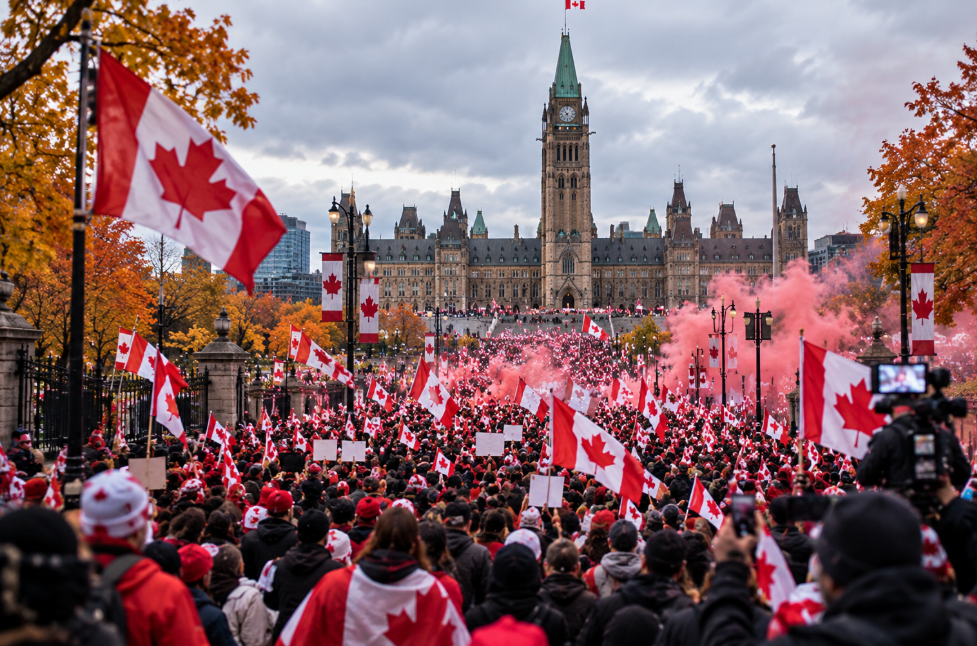
This is an editorial scenario, not a report of a specific incident. Imagine a reader seeing a headline about a calm day changing unexpectedly just before an urban outing. It is tempting to treat the accompanying crowd photograph as an immediate instruction to change the whole trip. First, establish what the story actually says.
Connect the claim to your journey
Does the information identify a street, service, entrance or time that affects the plan? Is there a current notice from the operator or destination? A broad description of a serious development may have no direct connection to the route you intend to take.
Write the verified detail separately from the possibilities. If a change is confirmed, reopen the journey planner for your actual departure time and read the complete result. Recheck the walking portions as well as the vehicle section, particularly if a different arrival point appears.
Keep companions in the same plan
If you alter the meeting place or time, make that change explicit to the people travelling with you. An alternative helps only when everyone understands it. Our minutes pad can add a revised set of estimates, but it cannot assess a developing situation. Current local instructions and operator information remain the appropriate sources for immediate travel decisions.
General information and editorial perspectives. For a specific service, venue or arrangement, check with the responsible organization. Send a question or correction.